Homestead · October 30 · 7 min read
What Tallow Is Good For
Rendered beef fat for the pan, the skin, and the soap. Useful, plain, and not a cure.
This is how our household cooks, washes, and thinks. It is not medical advice, and it is not a substitute for a midwife or a doctor.
This is not medical advice. These are thoughts from our own experience.
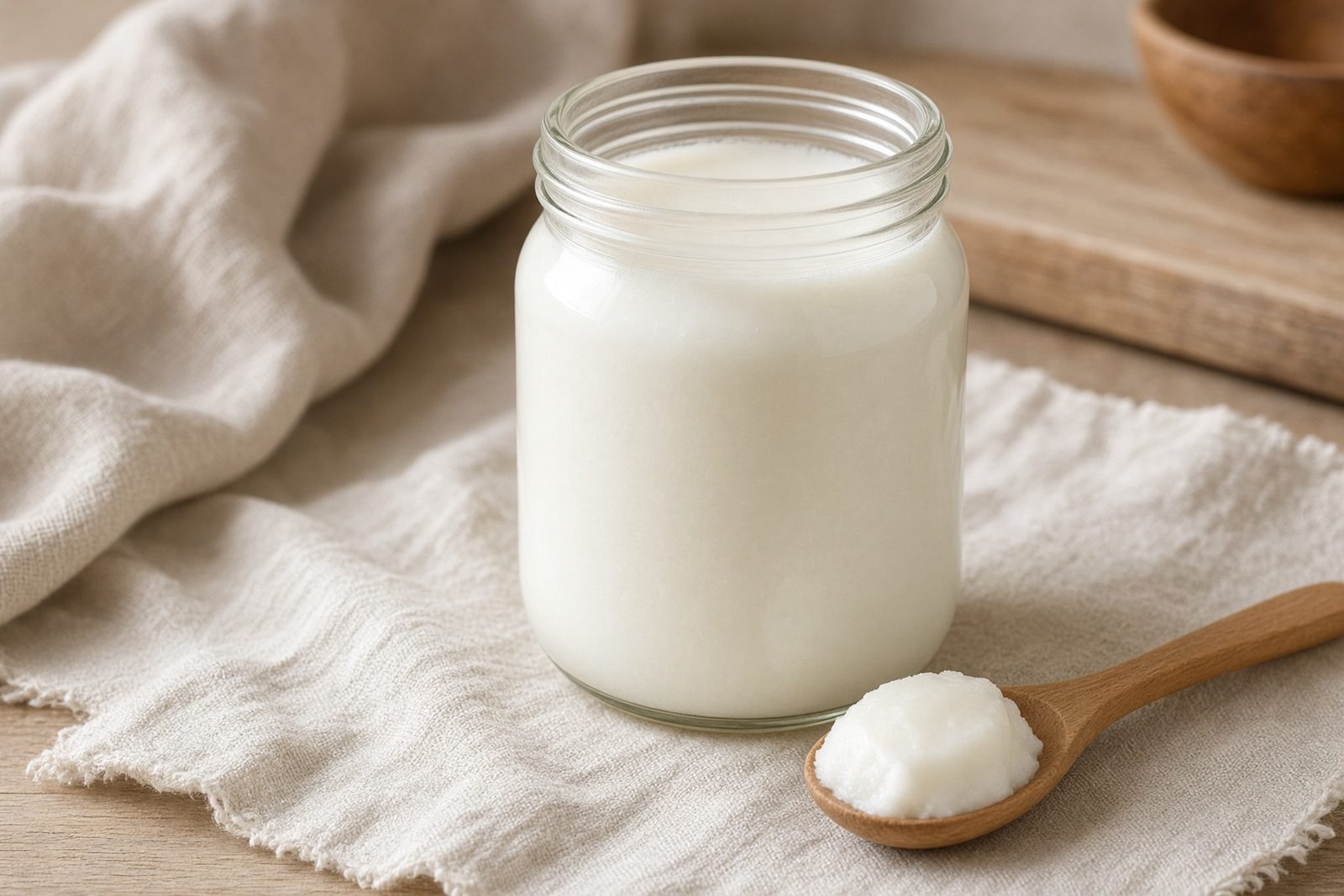
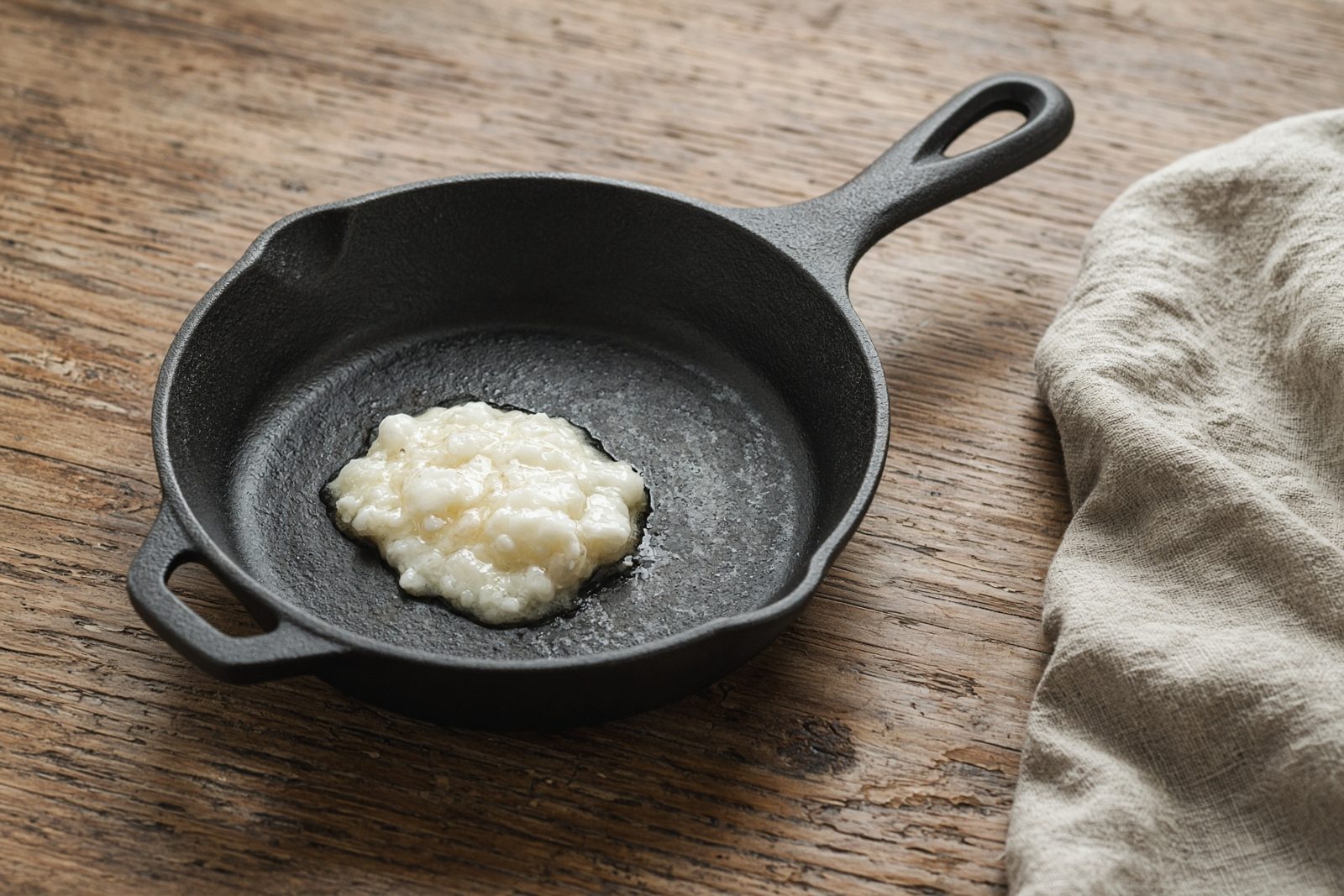
Tallow is beef fat that has been melted, strained, and cooled. The best of it comes from the hard fat around the kidneys, called suet. When it is rendered clean and dry, it is ivory, nearly scentless, and solid on the counter. This house uses it three ways: in the skillet, on dry skin, and in a bar of soap. Those are the benefits that hold. A jar of tallow is not a vitamin pill, and it is not a medicine.
On the skin
Most of the jar is three fats: oleic acid, palmitic acid, and stearic acid. Those are fats the skin already uses. Rubbed on, tallow softens rough spots and holds water in, which is why a plain balm helps dry hands, heels, and cheeks in a heated house. Dr. Josh Axe describes tallow as close to the skin’s own oil, and that is why many people find it soaks in instead of sitting like a film. A review he points to found that those three fats support hydration when tallow is put on skin.
The likeness is real and it is partial. The oil your skin makes also contains wax and squalene, and tallow does not. “The same as your skin” is a slogan. “Close enough that dry skin usually tolerates it” is the truth. Oily skin, or skin that breaks out, may find it too heavy. If a jar stings or the face protests, that face wants a lighter oil, not more tallow.
The vitamins, said honestly
Axe lists vitamins A, D, E, and K, and he prefers grass-fed tallow because fat from a pasture animal carries more of them than fat from a grain-fed animal. That direction is right. The amount is easy to overstate. Commodity tallow, the kind in a nutrition table, is almost empty of vitamin A and vitamin K. A pasture animal’s fat is richer, and it is still mostly fat. Eat it and wear it because it is a good fat. Do not count the jar as your vitamin for the day.
In the pan
Well-rendered tallow is steady at a high heat, around 400°F. It is mostly saturated and monounsaturated fat, with very little of the polyunsaturated fat that makes soybean, corn, and canola oil fragile when they fry. It sears meat and fries potatoes without the seed oils this kitchen has already put away. Grass-fed tallow has the better balance of those fats. It is still food, not a supplement. If it smokes early or smells of meat, it was not rendered clean, or the heat is too high.
In the soap
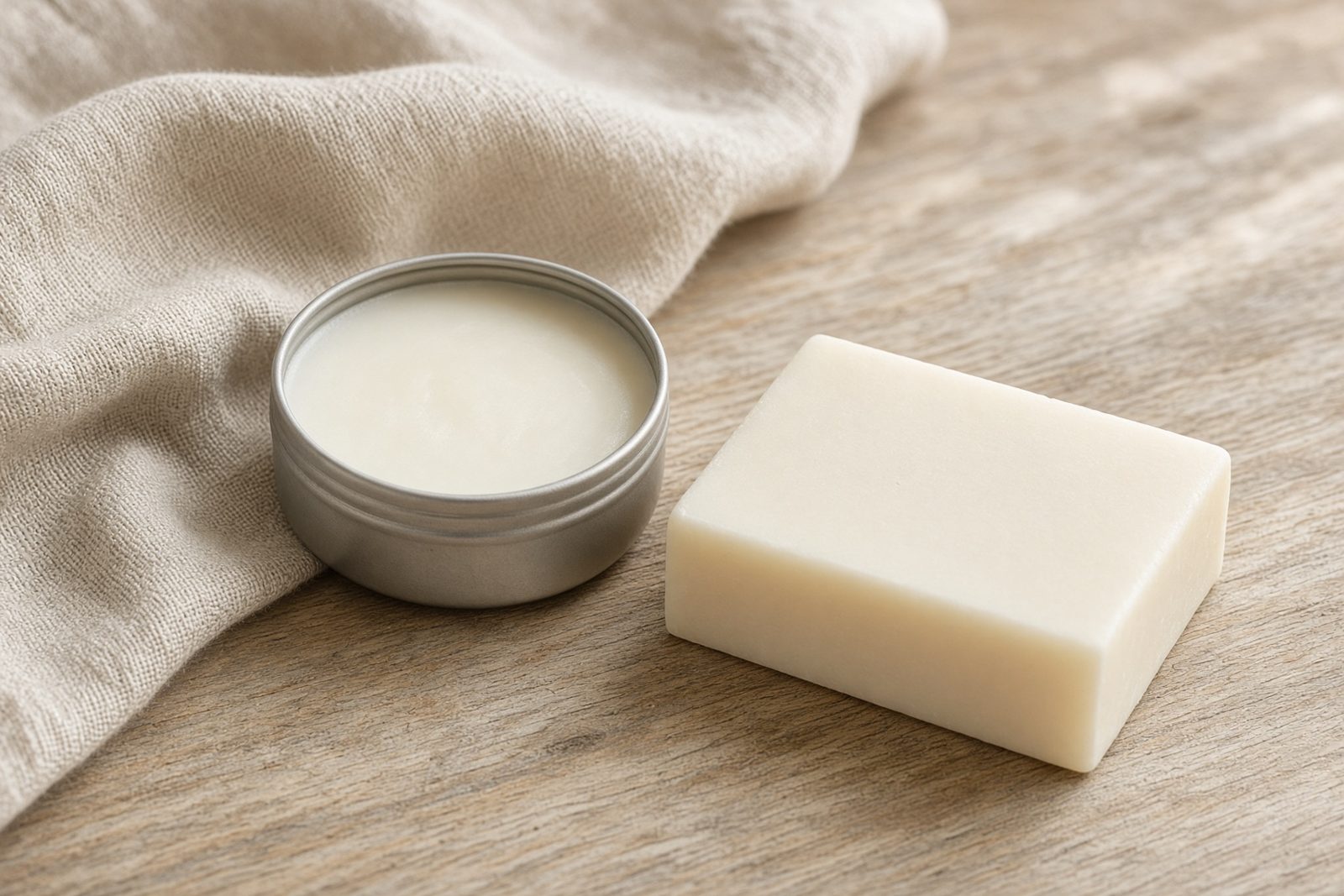
Tallow is what makes a hard, mild bar that lasts. That is the old reason for it, older than any jar with a label. The soap in the Care section is built on it for that reason. The lye weight belongs to that formula only, and the bars cure for weeks before they touch skin.
Use grass-fed if you can. Render it dry, and keep it covered and cool. The plain face tallow, the whipped butter, the firm balm, and the lip tin are the family fats, with no essential oil. The lavender and frankincense jars are a separate choice, for adult skin, not for pregnancy, children, or eyes. Start with a little on the inner arm if you have never worn it. A good fat is a gift. It does not have to pretend to be more than that.
“Every good and perfect gift is from above.”