Homestead · October 30 · 8 min read
The Plate They Describe
The Maker’s Diet and Axe’s biblical plate are specific. Here is the food they name, and the difference between their table and the rest of this journal.
This is how our household cooks, washes, and thinks. It is not medical advice, and it is not a substitute for a midwife or a doctor.
This is not medical advice. These are thoughts from our own experience.
Dr. Axe describes the biblical diet, the pattern Jordan Rubin put into The Maker’s Diet, as whole grains, olives, figs, grapes, fish, legumes, and raw honey. His food list is more exact than a slogan. Eat often: vegetables and herbs, fruit, whole grains, lentils and beans, olive oil, and fish. Eat moderately: beef, lamb, and goat, eggs, fermented dairy, nuts, and a little raw honey. Avoid: refined sugar, white flour, seed oils, ultra-processed food, and, on their reading of Leviticus, pork and shellfish.
That last line needs an honest sentence. This journal is a family table. You will find pork and shellfish among the recipes. Rubin and Axe would not put them on the plate they are describing. We are not going to pretend otherwise, and we are not going to quietly delete the rest of the cooking. If you want their plate, you now know where they draw it.
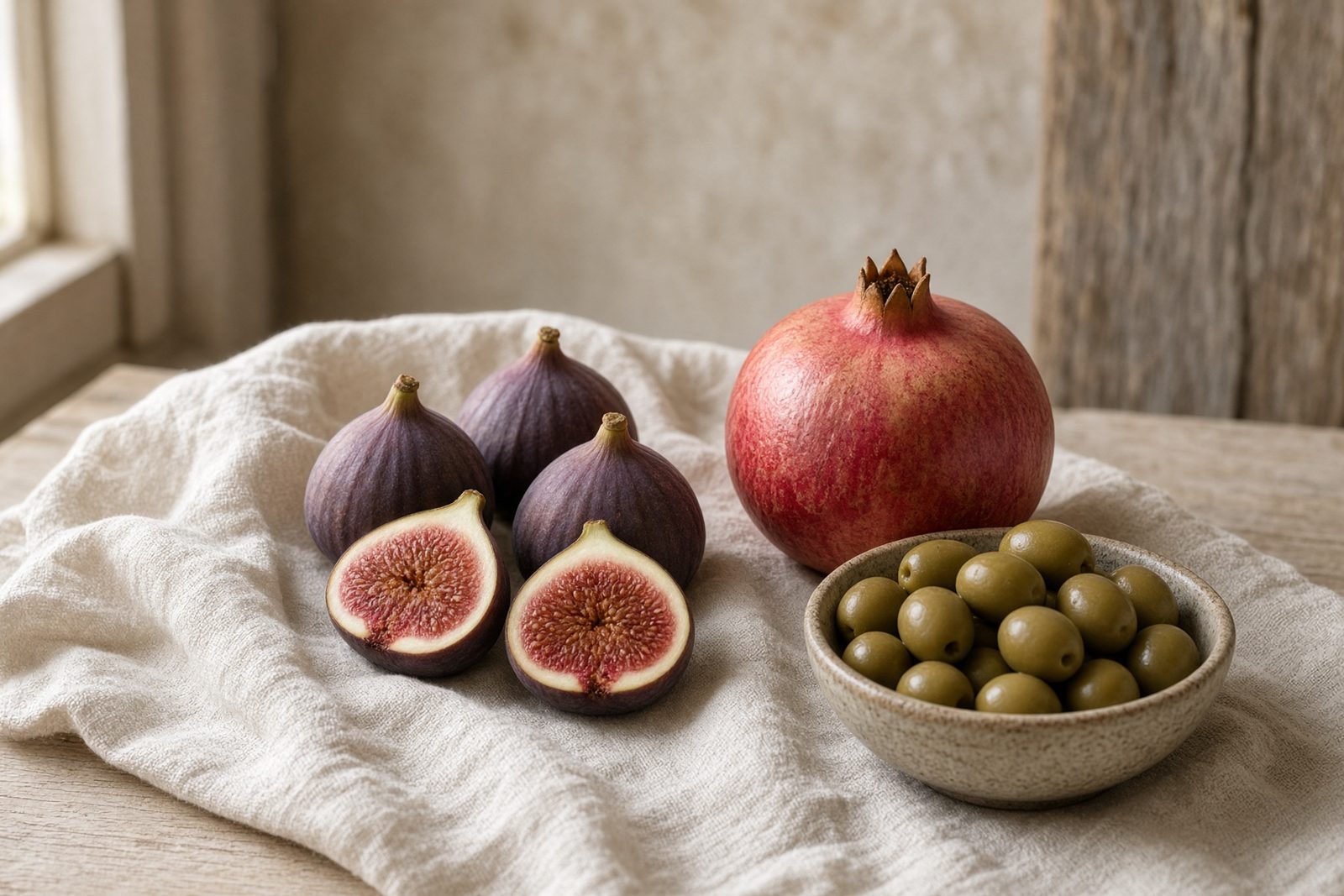
“a land of wheat, barley, vines, figs, and pomegranates; a land of olive oil and honey.”
What a day looks like in their books
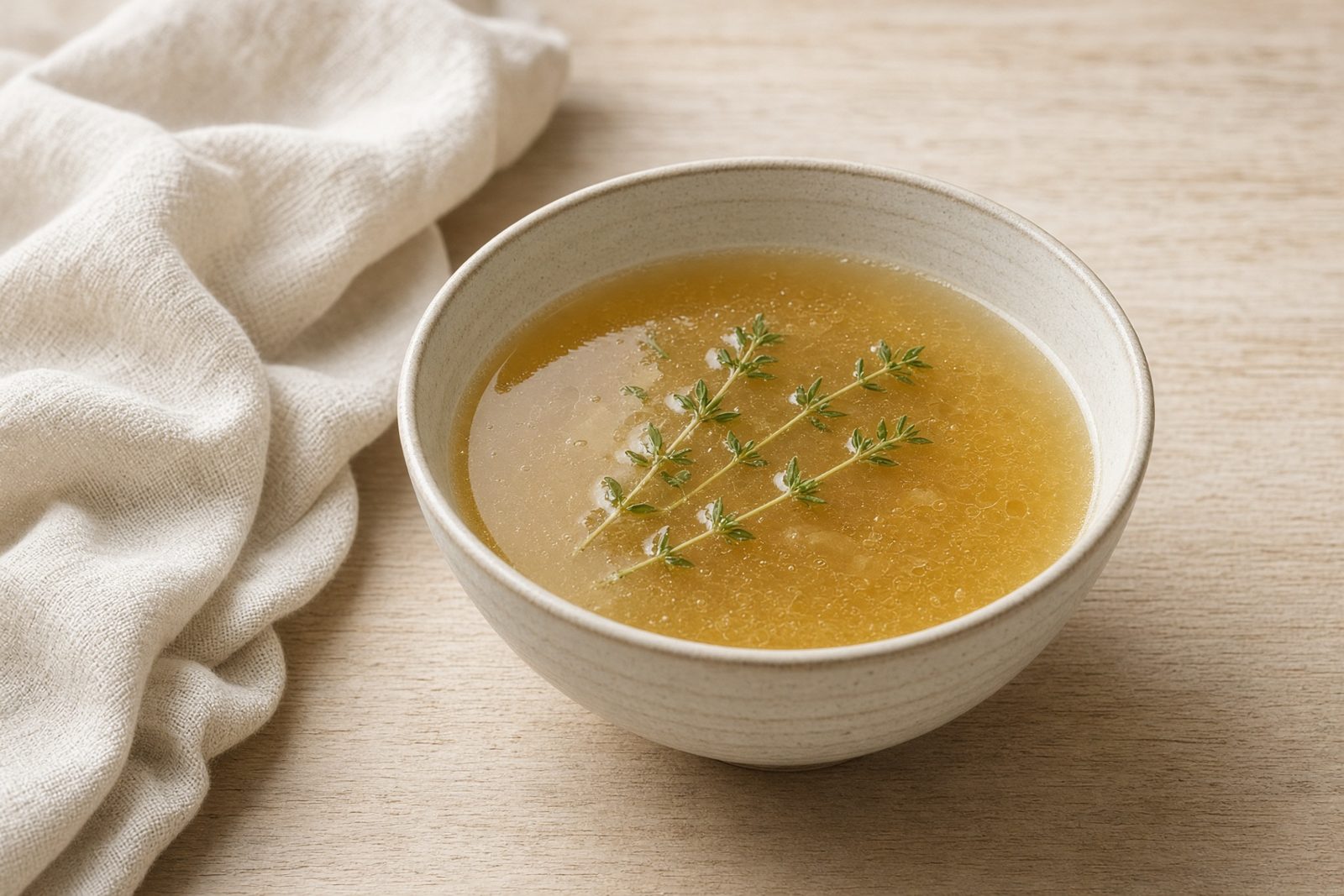
- A cup of bone broth, for the gut lining. Axe’s anti-inflammatory reset uses a cup a day. Rubin wants more than that when someone is sick.
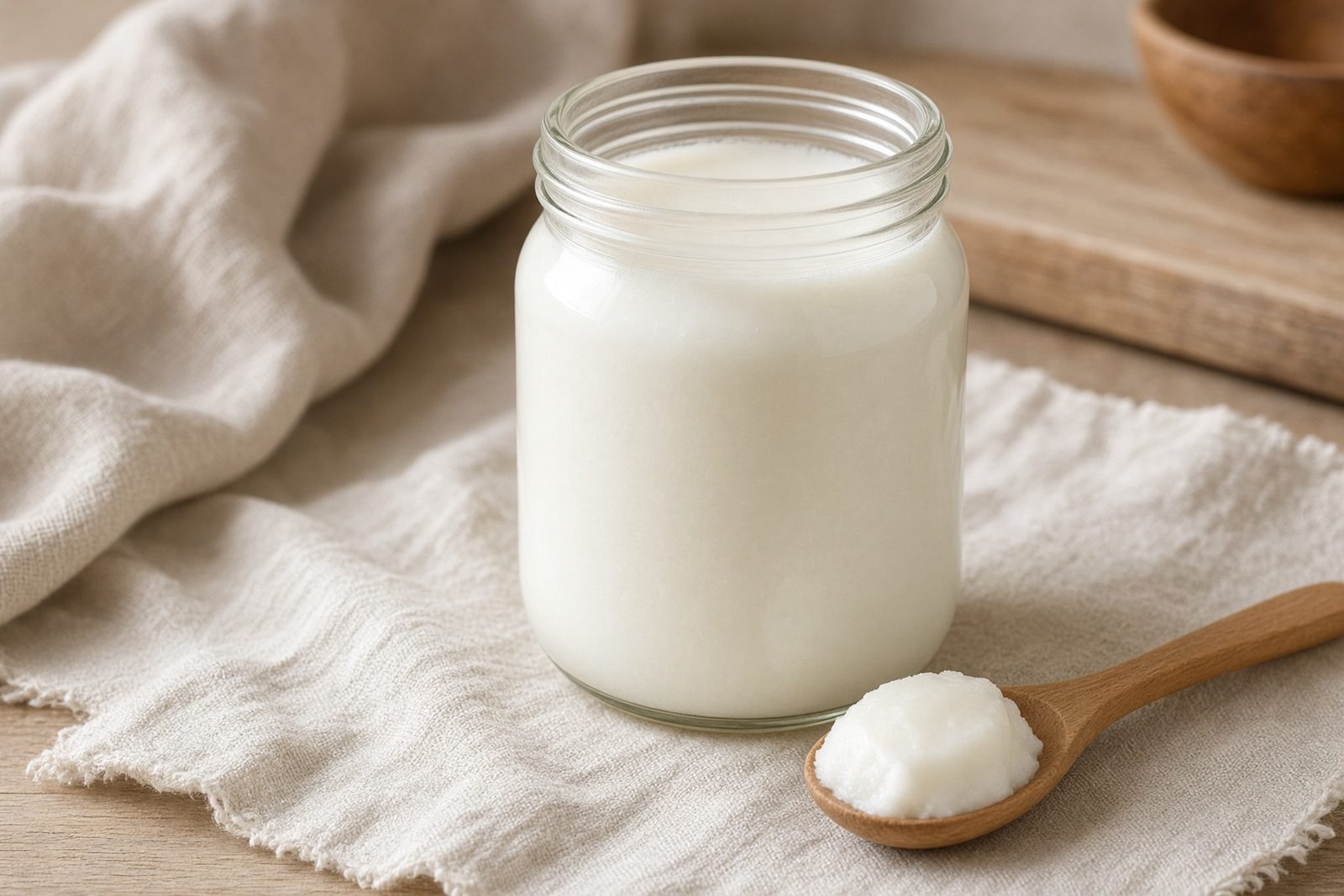
- A fermented food that is still alive: kraut, kefir, or a cultured goat or sheep milk. Axe says he tolerates a little goat’s milk and does less well with cow’s milk.
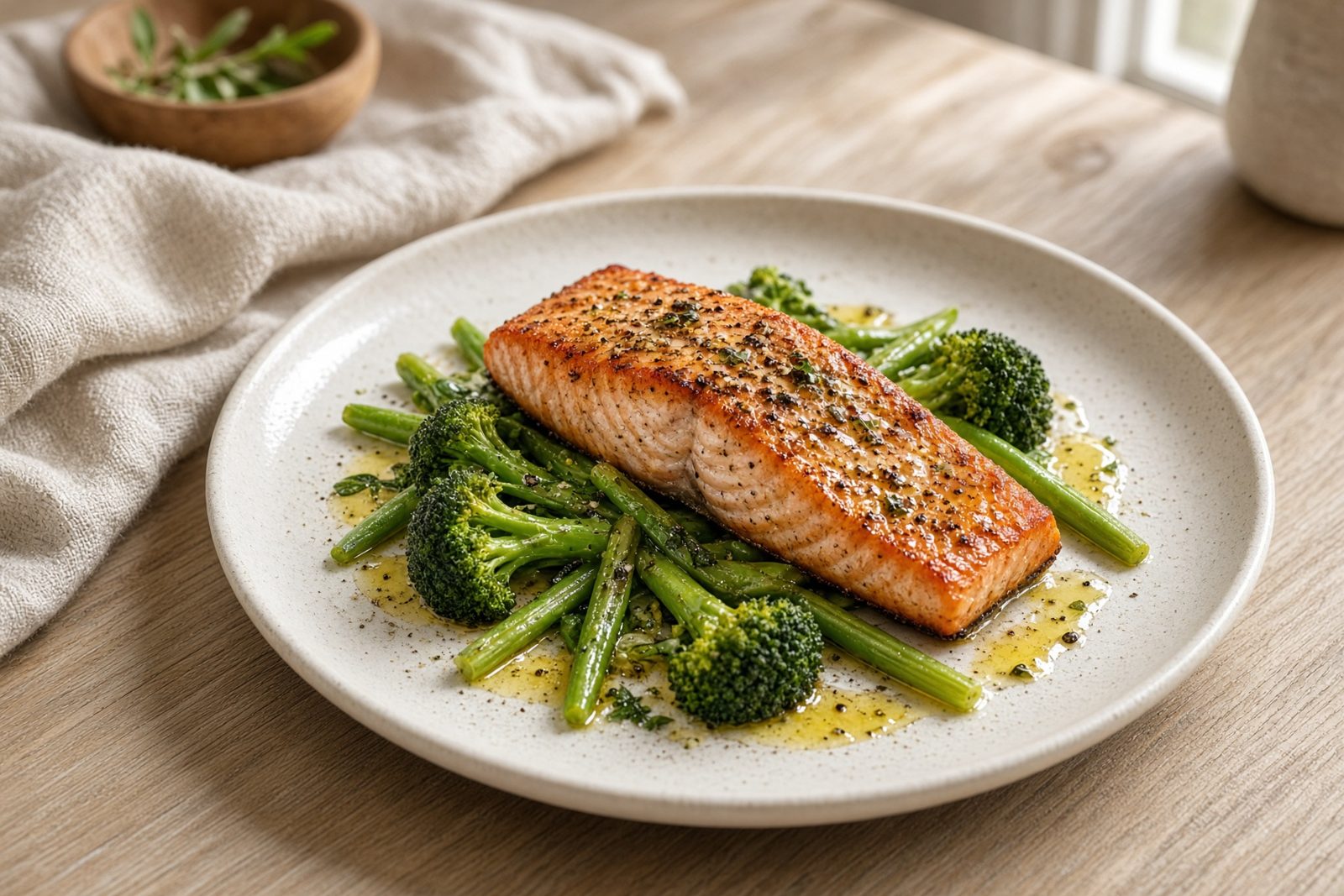
- Wild salmon or another fish with fins and scales. Rubin connects that to Leviticus. Axe simply calls it one of the foods to eat often, for the fat the body does not make well on its own.
- Cooked vegetables in real quantity, and fruit that is fruit: berries, figs, grapes, pomegranate. Not juice from a carton.
- Fat from olive oil, butter, and, in Axe’s kitchen, coconut and ghee. Rubin does not fear fat. He fears the refined kind.
- If there is bread, Rubin wants it sprouted or truly fermented, the way a sourdough is fermented, not a soft white loaf. Axe is the more cautious of the two about grain, and quicker to drop gluten when the gut is injured.
The foods they call dense
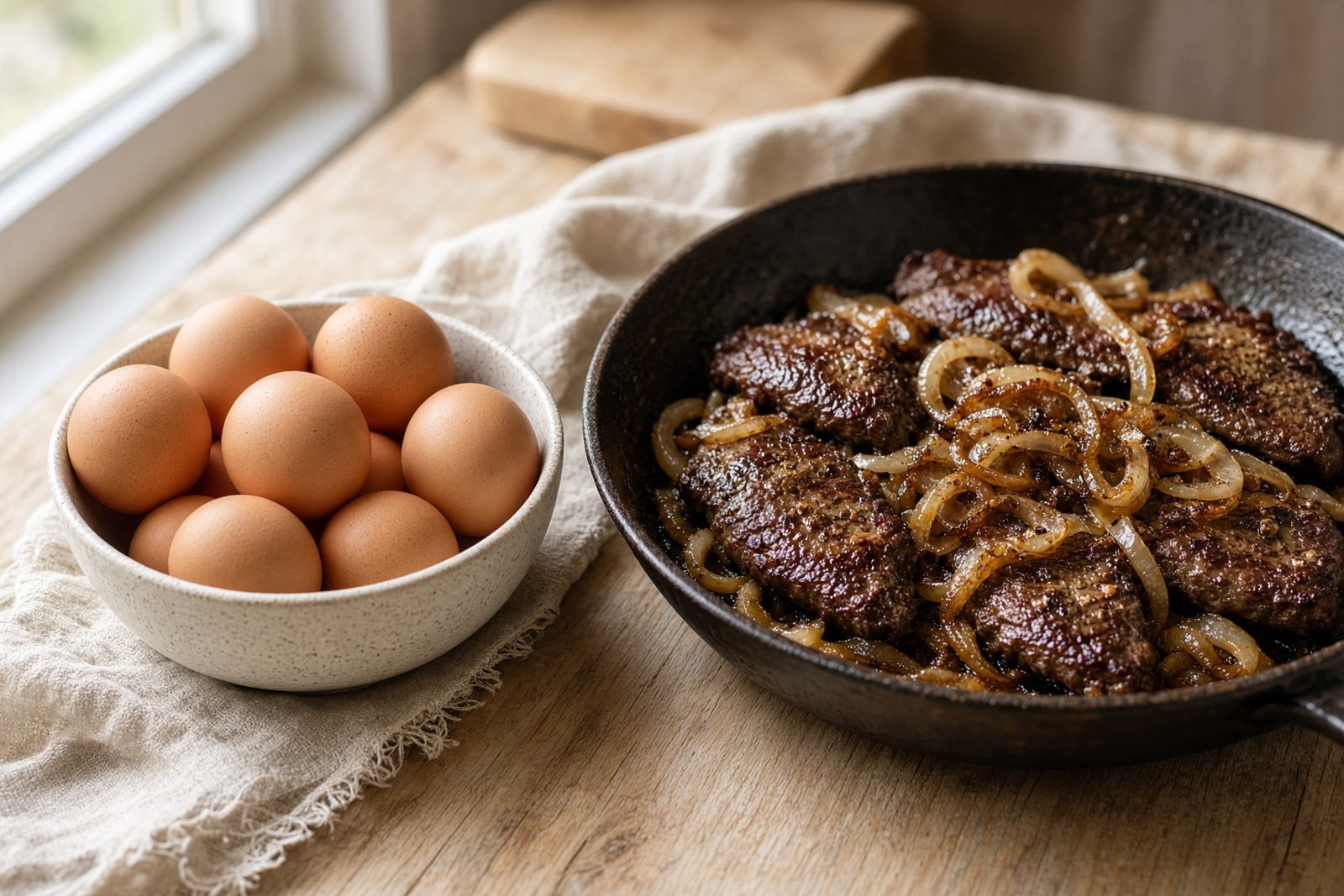
In The Biblio Diet, Axe and Rubin count organ meats among the foods they would keep if they could keep only a few. Axe writes that liver has on the order of fifty times the vitamin B12 of steak, and he lists it with leafy greens, wild fatty fish, pasture-raised eggs, grass-fed meat, broth, fermented food, and berries as the dense end of the table. A small piece of liver, cooked with onions, is closer to their teaching than another handful of crackers. Eggs from a bird that saw daylight belong on the same plate.
What this can and cannot do
They believe this way of eating prevents a great deal of modern illness because it stops the daily injury: the sugar, the refined flour, the seed oil, the food with no life left in it. They also believe it can help a sick body repair, because that is the story Rubin tells about his own Crohn’s disease, and because Axe has spent years teaching the gut protocol as the way back from inflammation. We can say that clearly and still refuse a false promise. Food is how a house stops participating in the illness. It is not a guarantee that a disease will leave. If you are under a doctor’s care, do not throw out a treatment because an essay, or a book, moved you. Change the table. Keep the person who can see you.
Start with what both of them would notice if they stood in the kitchen tomorrow. Broth on the stove. Something fermented in the refrigerator. Olive oil instead of a seed oil. Honey, if you want sweet, instead of a bag of sugar. Fish, eggs, a vegetable you cooked yourself. That is the plate. The rest is patience, which is also a kind of medicine.
“The earth and everything in it, the world and its inhabitants, belong to the LORD.”